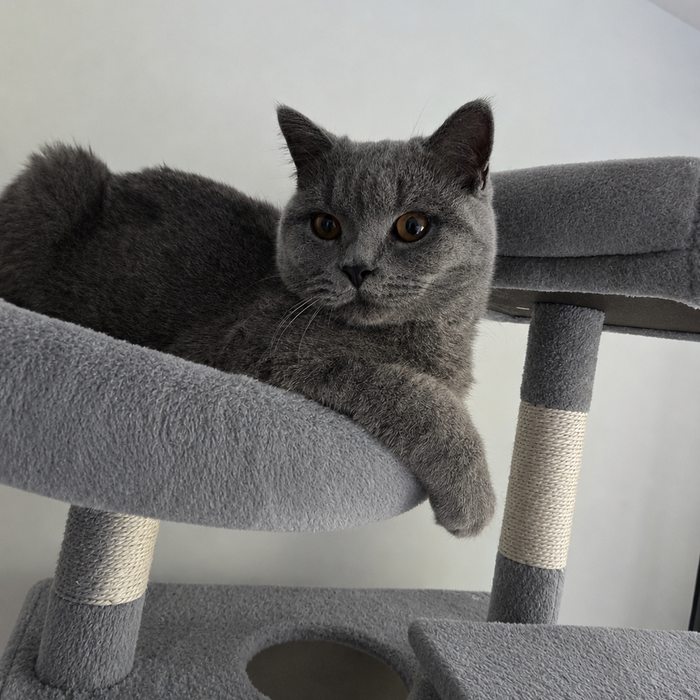
Before a planned procedure, your vet assesses your cat’s individual anaesthetic risks and the expected benefit of treatment. Maine Coon ancestry is relevant because of the breed’s cardiac predisposition, but breed alone does not determine which tests or anaesthetic plan every cat needs.
Share the full history
Tell the practice about previous heart findings, genetic results, family history, medicines and supplements. Report recent breathing changes, reduced activity, appetite changes or earlier problems with sedation or anaesthesia. Bring existing reports so the team can review them.
The AAHA preanaesthetic evaluation guidance emphasises individual risk factors, including breed predispositions and underlying illness. Heart disease is one consideration among several, rather than the only important risk.
Ask what testing would help
Your vet may recommend further assessment based on the history and examination. Ask whether blood tests, blood pressure measurement or echocardiography would change the plan. A screening blood test or reassuring genetic result cannot guarantee that anaesthesia is risk-free.
Discuss the care plan
Ask how the team will monitor your cat during anaesthesia and recovery, and whether any known illness changes the proposed approach. Drug choices, fluids and monitoring belong to the veterinary team’s clinical plan. Some patients need stabilisation before a planned procedure; timing depends on the patient and the urgency of treatment. AAHA describes patient-specific preparation and stabilisation.
Preparation and coming home
Request written instructions for food, water and medicines; do not stop or add a medicine without guidance. Before discharge, ask what recovery should look like, which changes require a call and whom to contact overnight.
Difficulty breathing, collapse or sudden painful limb weakness after discharge needs emergency veterinary attention. Do not delay while trying to obtain a home monitor reading.
General owner information. Anaesthetic decisions should be made by the treating veterinary team.