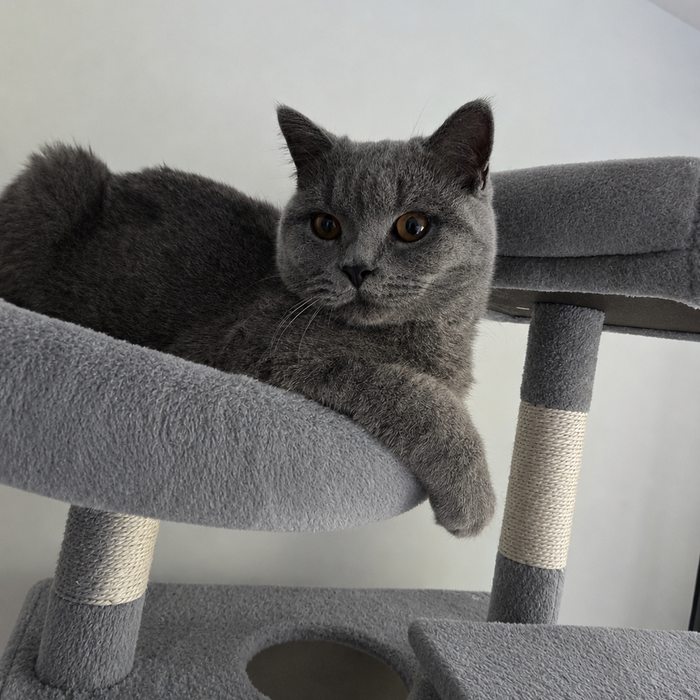
A carefully chosen bed can sit empty while your cat stretches out beside it. That does not automatically mean the bed is poor quality or the cat needs deeper cushioning. Compare the whole setting: the exact position, the surface and when the cat chooses it.

Observe the same spot at different times
Note whether the chosen floor area is sunny, shaded, quiet or close to the household. Cats Protection's sleeping-place advice points out that the reasons for a location may be less obvious to us than to the cat. Avoid assigning a single explanation from one afternoon's nap.
Separate location from texture
If you want to test a different resting surface, keep the position broadly similar and change one detail. A flat mat is a different proposition from a deep-sided bed. Do not repeatedly move the cat onto it; the useful information is whether they choose it independently.
Check the floor-level option itself
A mat such as the AeroMat Chill Pad should lie flat in a suitable place. Check its current size and care details. Keep it clear of door movement and inspect the surface underneath. A product called a chill pad should not be assigned an unverified temperature-lowering effect.
Keep other choices available
There is no need to remove a sound bed because it is not used continuously. Keep an appropriate range of resting options and notice changes over time. If the cat suddenly avoids previously comfortable places or seems unwell, ask your vet rather than treating the change as a shopping preference alone.
Compare the flat mat and soft-bed formats in the Giant Paws collection. Choose the missing role in your cat's routine instead of adding more cushioning by default.