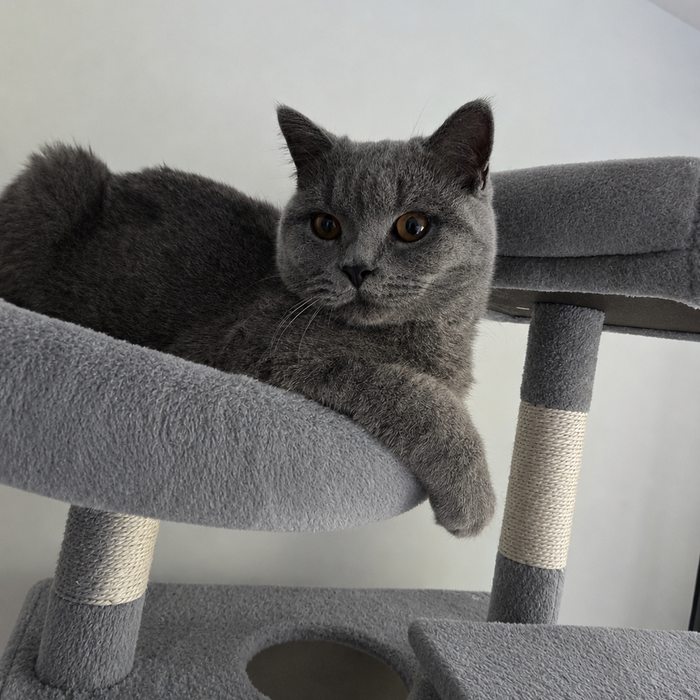
Heart disease can affect pedigree and non-pedigree cats. Breed and family history can inform a veterinary assessment, but neither a breed label nor a large body size diagnoses a heart condition.
Where genetic tests fit
Known HCM-associated variants include MYBPC3 A31P in Maine Coons and R820W in Ragdolls. These are different tests. Check the exact variant on a laboratory report rather than assuming a general “HCM clear” result covers every cause of disease.
UC Davis explains its Maine Coon A31P test and Ragdoll R820W test. A genetic result does not establish the current condition of the heart.
Other breeds and mixed-breed cats
HCM occurs beyond these two breeds. Do not assume that a cat is protected because it lacks a pedigree, or that a reported case in a breed means every member has the same risk. Cornell’s cardiomyopathy overview describes feline heart disease more broadly.
Questions for your vet
Share any family history, previous examination findings and test reports. Ask whether further assessment is appropriate and how often your cat should be reassessed. Screening recommendations depend on the individual cat; they are not interchangeable across every breed or situation.
Our echocardiography guide explains what to ask about a heart scan. If home breathing counts are recommended, agree a monitoring schedule and contact threshold.
Difficulty breathing, collapse or sudden painful limb weakness needs emergency veterinary attention in any breed. Do not wait for screening or a home-device reading.
General owner information; your veterinary team should assess individual risk.