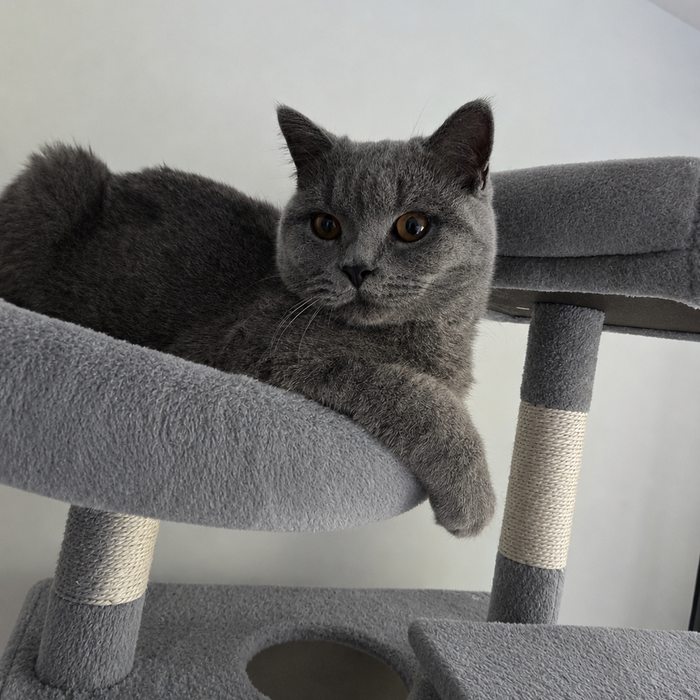
Cats are obligate carnivores and have nutritional requirements that are difficult to meet safely with a vegan or vegetarian feeding plan. Cats Protection advises against feeding cats this way.

Understand the issue
The concern is not whether a cat will taste a plant ingredient. It is whether the full diet reliably supplies essential nutrients in appropriate, bioavailable amounts every day. Cats have species-specific requirements, including taurine, and deficiencies may cause serious harm before an owner can see a clear sign.
Choose by nutritional completeness
Cats Protection recommends a complete commercial cat food suited to the cat’s age and health, and says vegan or vegetarian diets are not recommended. “Natural”, “premium” and “high protein” are marketing descriptions; look for the legal nutrition statement and follow the product’s feeding directions.
Do not build a recipe from supplements
Adding isolated taurine or a multivitamin does not automatically make a home recipe balanced. Ingredient substitutions and cooking can change nutrient delivery. If your ethics or household circumstances affect food choice, discuss them openly with a vet or qualified veterinary nutrition professional before changing the diet.
Keep the daily ration measurable
Record the exact product, recipe and quantity fed, including treats and toppers. A feeding station such as the Kitty Buffet keeps bowls together but does not determine nutritional adequacy. Transition between suitable foods gradually unless a vet instructs otherwise.
Sources and further reading
Guidance checked 13 September 2026.