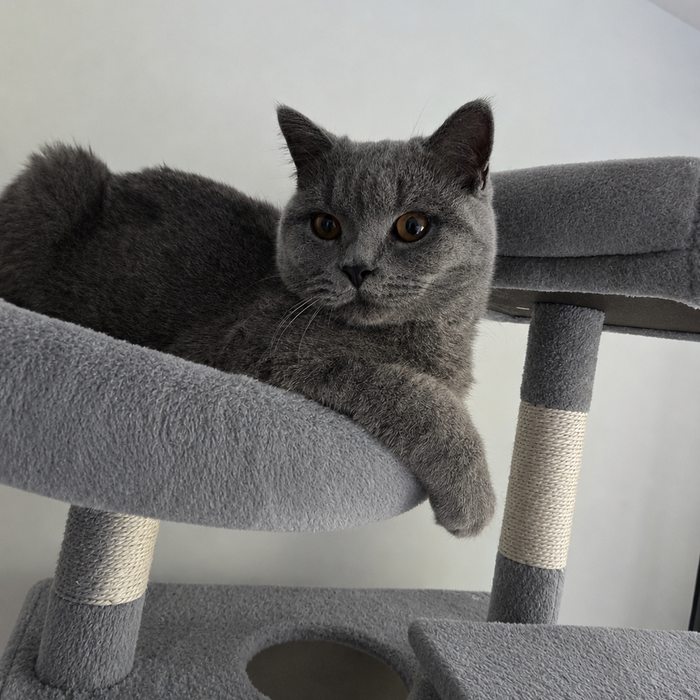
Many cats nibble grass, but the reason is not fully understood. If you offer it, use grass grown and sold for cats, keep it free from pesticides and fertilisers, and identify every other plant within reach.

Avoid confident myths
Cats Protection says the reason cats eat grass is not known for certain. It may be normal exploratory behaviour, but grass is not a treatment for hairballs, stomach problems or nutritional deficiency. Do not use repeated vomiting as proof that a cat “needed” to purge.
Choose and grow it carefully
Buy seed or a growing tray clearly intended as cat grass. Use clean compost and follow the pack directions. Keep lawn cuttings away because they can ferment, and do not offer grass from roadsides, sprayed lawns or places contaminated by other animals.
Separate grass from dangerous plants
Cats Protection lists plants that can harm cats. Lilies are a particular emergency risk. Check scientific plant names, remove unsafe plants and call a vet immediately after suspected exposure rather than waiting for signs or relying on an identification app.
Know when nibbling is not the whole story
Call a vet about frequent vomiting, diarrhoea, poor appetite, weight loss, pain or a sudden major increase in plant eating. A calm retreat such as the Koda Pod can sit near a safe observation area, but should remain separate from plant pots and loose soil.
Sources and further reading
Guidance checked 13 September 2026.