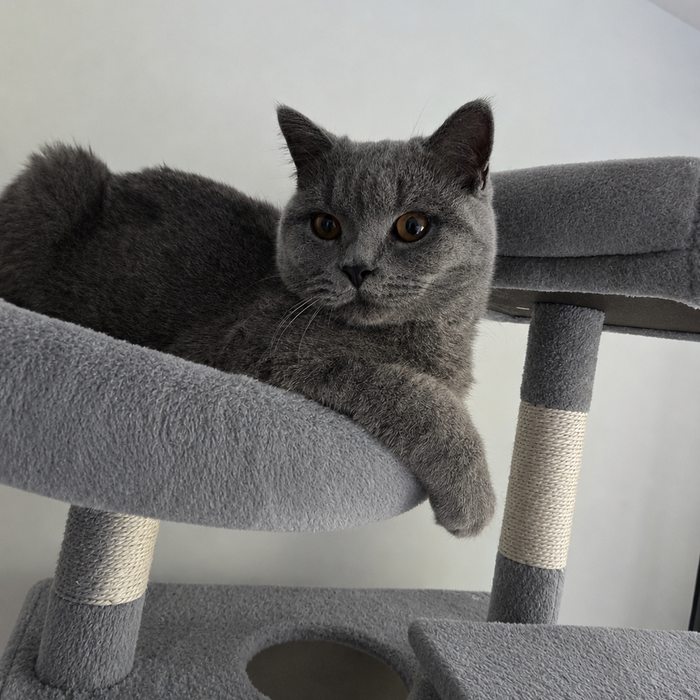
Maine Coons can leave plenty of loose hair on clothing and furniture, but the amount varies between cats and through the year. A sudden change should not automatically be dismissed as normal for the breed.
Shedding and coat care
Loose hair is part of normal coat turnover. Regular, gentle grooming helps remove it before it tangles into the coat. The appearance of hair around the house does not, by itself, tell you whether your cat’s skin is healthy.
Check the coat and skin during comfortable grooming sessions. Cats Protection’s grooming guidance explains how coat-care needs differ and why increased hair loss or overgrooming needs attention.
When to speak to your vet
Arrange veterinary advice for bald patches, sore or scabby skin, repeated licking or chewing, new matting, or a noticeable change in grooming. Report accompanying changes in appetite, weight, thirst or activity too. These observations can have several causes and should not be diagnosed from a shedding pattern alone.
If grooming becomes painful or your cat no longer tolerates an area being touched, stop and seek advice. Do not force a brush through a resistant coat.
Build a routine your cat tolerates
Long-haired coats often need daily attention. Start with brief, gentle sessions and ask your vet or a cat-experienced groomer to demonstrate suitable tools and technique. Our Maine Coon brushing guide covers comfortable handling and when to get help.
Do not add supplements, change diet or use parasite treatments simply to stop shedding without checking suitability with your vet. Grooming manages loose hair; it does not stop the natural coat cycle or treat a skin condition.
Managing hair around the home
Use washable covers where appropriate and follow fabric-care instructions when cleaning. A reusable hair roller is a household cleaning tool; check surface suitability and test an inconspicuous area. Do not use it on your cat.
General owner information. Seek veterinary assessment for new skin or coat changes.