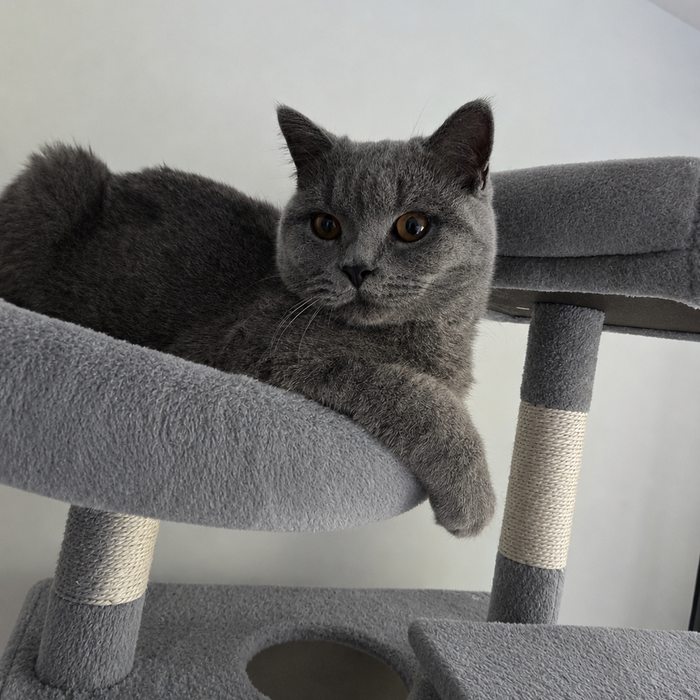
A Maine Coon does not need a raw diet simply because it is a large cat. Before considering one, separate two questions: does the food provide the right nutrition, and what risks come with handling and serving it? A food can be labelled complete while still presenting raw-food contamination risks.
“Complete” and “raw” answer different questions
Complete describes a food intended to meet a cat's nutritional needs; raw describes how ingredients have been prepared. They are not competing quality grades. A packet of uncooked meat is not automatically a complete cat diet, and adding a few supplements without a properly formulated recipe does not establish that it is balanced.
The British Veterinary Association's cat-feeding guidance recommends checking species, life stage and completeness, and discussing significant changes with your veterinary team. For the broader choice between suitable everyday foods, see what a Maine Coon should eat.
Why the household matters as well as the cat
The BVA warns that uncooked diets bring a higher risk of spreading bacteria. The US Food and Drug Administration's raw-pet-food guidance explains how contaminated food can expose both animals and people, including through hands, utensils and surfaces.
This is not just a question of whether your cat finishes its dinner. Think through who opens the packaging, where portions are prepared, who washes the dish and whether anyone else touches those surfaces afterwards. A confident claim on a feeding forum does not answer those practical questions for your home.
Prepare a useful conversation with your vet
Bring the exact product label or proposed recipe, rather than asking about “raw” as a single category. Write down:
- The food's full name, intended life stage and complete or complementary designation.
- Your reason for considering a change, and what evidence supports the claimed benefit.
- Everything else your cat eats, including treats and supplements.
- How you would store, portion, serve and clean up the food in your actual kitchen.
Ask whether a suitable cooked complete food could meet the same goal. If your cat has a medical condition or is on a prescribed diet, do not replace that diet on the strength of breed-based marketing.
If raw food is already in your kitchen
Follow its storage instructions. The FDA advises keeping raw food separate from other foods, avoiding rinsing raw meat because splashes can spread contamination, and washing hands thoroughly with soap and water after handling it. Clean food-contact equipment and surfaces appropriately; a quick visual check cannot establish that they are free of harmful bacteria.
The pictured Purr-celain bowl is serving equipment, not protection against foodborne hazards. Whichever dish you use, its material or appearance does not make raw food risk-free.
For the practical details of keeping opened packs and feeding equipment clean, read our cat food storage guide. Choose the food with your cat's needs and the household's handling routine in mind.
Sources checked 12 September 2026. General feeding information, not an individual diet prescription.