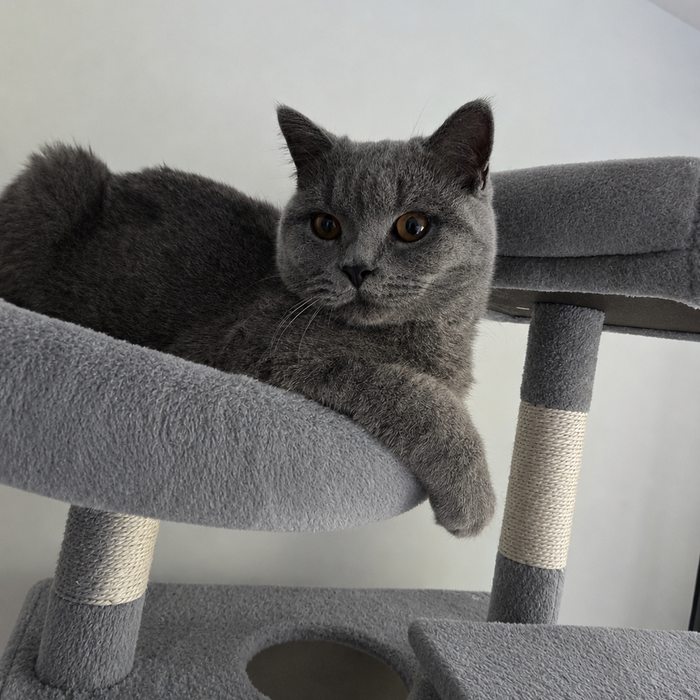
A Maine Coon should normally eat a complete cat food appropriate for their life stage and individual needs. Wet food, dry food or a planned combination can work. A large frame and a grand coat do not, on their own, establish a need for a special supplement, an all-meat homemade menu or a particular food brand.
Read the back of the packet first
The British Veterinary Association's food guidance puts three useful checks ahead of marketing: the correct species and life stage, a complete diet and an appropriate amount. “Complete” means the food is intended to supply all required nutrients when fed as directed. “Complementary” food is not a substitute for that everyday diet.
Make a small shortlist using these questions:
- Is this labelled as cat food, and is it complete?
- Is it intended for kittens, adults or another stated life stage?
- Does the feeding guide describe the daily amount for this exact product?
- Does the manufacturer explain how to feed it alongside other foods?
- Can you obtain the same product consistently and store it as instructed?
Photograph the label before discarding the packaging. A description such as “chicken dinner” on the front does not tell you everything those questions ask.
Choose a format you can serve consistently
PDSA's veterinary guidance allows wet food, dry food or both unless the cat's vet has advised otherwise. When combining them, portions need to account for both foods. Wet and dry foods are not interchangeable gram for gram.
Think about the practical difference in your kitchen. Will you be opening a pouch at each meal, measuring dry food, or doing both? Can another carer identify the precise variety? Where will an opened pack go, and when does its label say to use it by? Those details matter more to a reliable routine than matching the breed name on the bag.
What about meat and supplements?
Cats Protection advises a nutritionally complete diet and warns that homemade diets are difficult to balance. A piece of meat does not reproduce all the nutrients in a complete food. Do not add vitamins or minerals simply because your cat is a Maine Coon; discuss a specific need with your veterinary team.
For a kitten, record the food they are already eating and ask when their particular diet should change to an adult formulation. Continued growth does not give owners a reliable switch date on its own.
Make a food record before shopping for bowls
Write the food's full name, life stage, daily amount and serving routine on one card. If you change flavour, brand or format, check the new label rather than carrying the old quantity across. Our large-cat body condition guide explains why weight alone is not an ideal-weight target.
Finish their feeding corner with a dish that comfortably holds the planned portion. Shop The Purr-celain ceramic bowl for a raised, fluted design with a sculpted cat-ear rim, and follow the supplied cleaning instructions.
Plan the rest of your feeding routine
- Meal times and portions: choose a meal schedule and work out mixed wet and dry portions.
- Changing foods and adding extras: follow a gradual food transition and count treats within the daily allowance.
- Drinks: read about milk, water and what to offer your cat.
- Shopping and storage: compare food costs per day and store opened food properly.
- Considering raw food: understand the nutrition and food-handling questions before changing your cat's diet.
For cats with health conditions or a prescribed diet, follow the veterinary plan. Sources checked 12 September 2026.