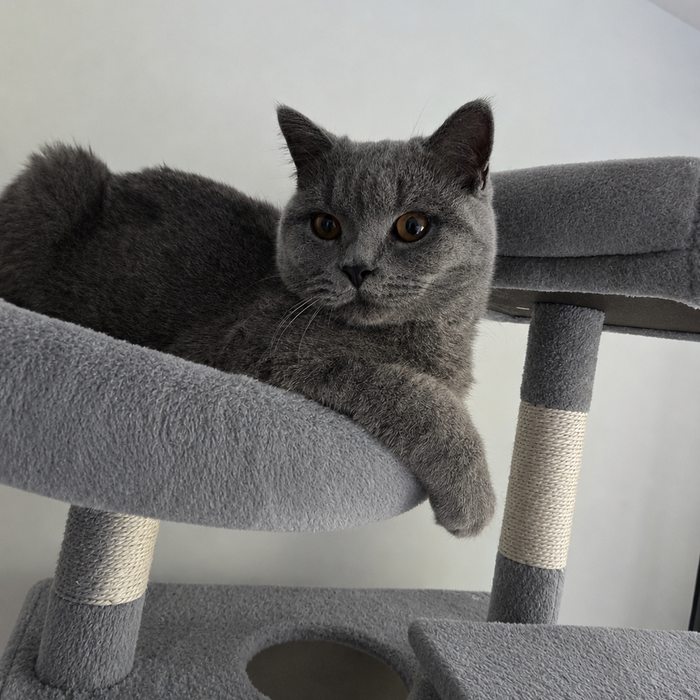
If an entrance faces the wrong direction for your room, turning the whole piece may help—or may put another feature in the wrong place. Before a bespoke enquiry, distinguish a rotated position from a mirrored arrangement.

Rotation moves the whole arrangement
Turning a piece changes the direction every part faces. Sketch the new position from above and check all sides, including any intended wall-facing surface. Do not assume a product can be installed in any orientation if its instructions specify otherwise.
Mirroring reverses left and right
A mirrored request means asking whether the layout can be made with the corresponding parts on opposite sides. It is a design question, not an instruction to reverse assembly steps on an existing product. Fixings and support arrangements may be specific to the intended construction.
Label the reference from one viewpoint
Write 'viewed from the front' on the image and mark the entrance or platform you want moved. Include the room sketch showing the wall and approach. Avoid an isolated message saying 'put it on the left', which can mean different things from opposite viewpoints.
Check the whole revised proposal
For an asymmetric reference such as the Moon Collection, review the complete revised layout. Confirm dimensions, access and every agreed change in the quote. A requested reversal is subject to feasibility; it is not automatically available on every design.
Bring an annotated reference to the bespoke collection so the final orientation can be discussed clearly before ordering.