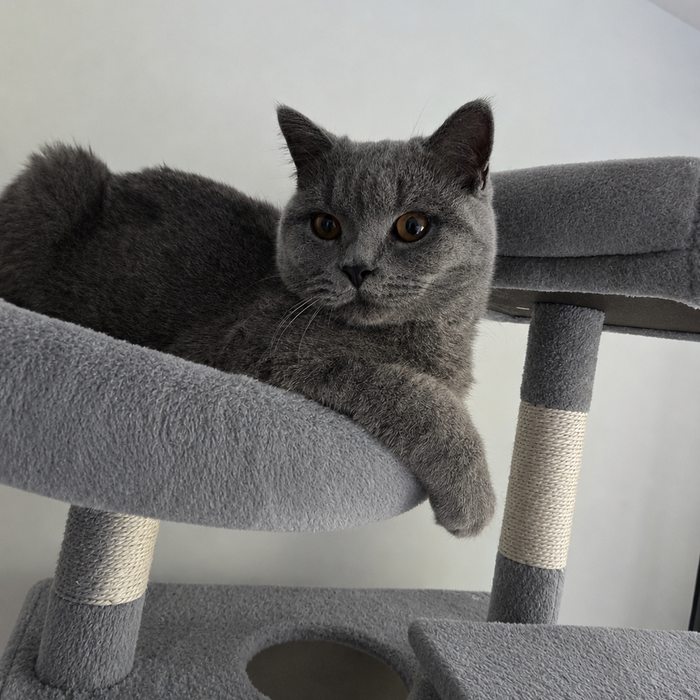
A small chirp from a large cat can be part of the Maine Coon's charm. Both the GCCF and CFA mention chirping or trilling in their breed descriptions. That does not give every sound one fixed translation: your cat's activity and body language still matter.

Learn the familiar pattern
Notice whether the sound accompanies a greeting, movement towards a resource or a play session. Keep the description simple: what happened before, what the cat did and what followed. Avoid assuming every trill means hunger or every quiet cat is unusual.
Look at the whole cat
Consider posture, movement and the surrounding situation alongside the voice. A relaxed approach to a person is different from repeated vocalising while appearing uncomfortable. Breed descriptions cannot rule out an individual concern.
Respond to the actual need
Check ordinary access to water, litter, resting places and suitable interaction. Do not automatically offer extra food whenever the cat makes a sound. Keep the daily routine consistent so your response does not become a confusing series of guesses.
Ask about a change
Contact your vet if vocalising changes suddenly, becomes persistent or accompanies other concerns. A video can help capture a sound that is difficult to describe. Do not attribute a new problem to the breed's reputation for being expressive.
Keep a comfortable resting choice available alongside play and company. Explore the size options of The Velvet Nest, choosing for your cat's actual resting space rather than a breed stereotype.