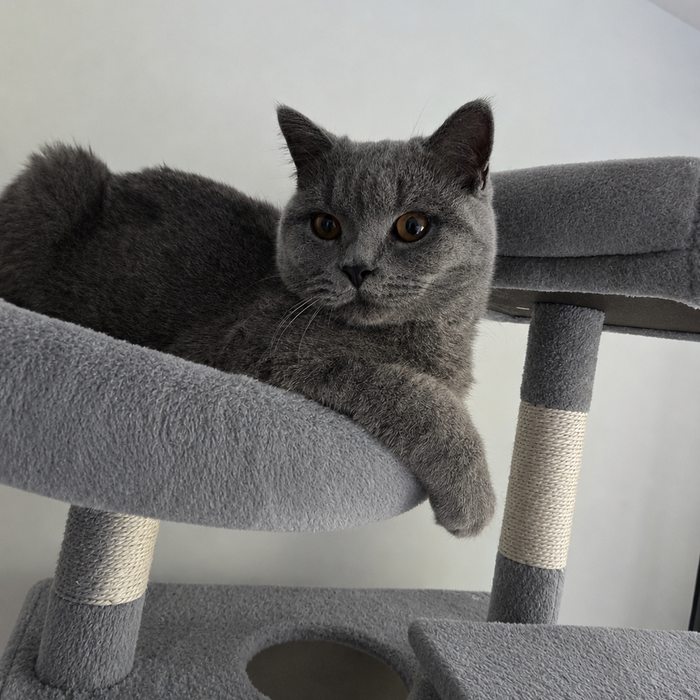
A cat may lick you as part of social contact, exploration or an established attention routine. The behaviour does not prove one particular emotion, and you do not have to allow it if it is uncomfortable.

Read what happens before and after
Relaxed licking during mutual contact is different from rapid licking followed by biting, tense posture or a struggle to disengage. Pause stroking and let the cat choose whether to stay.
Set a calm boundary
Move your hand away slowly, stand up or redirect to a suitable toy. Do not shout, flick the cat’s nose or use hands as play objects. Wash broken skin and seek medical advice for a bite or scratch when needed.
Watch for a wider grooming change
Sudden excessive licking of you, themselves or household surfaces can be associated with stress, skin discomfort, pain or other problems. Record the pattern and contact a vet rather than relying on an online label.
For related social grooming, see why cats groom each other. Cats Protection’s behaviour guidance helps put individual signals in context.